Found 116 surgery trials
A listing of surgery medical research trials actively recruiting patient volunteers. Search for closest city to find more detailed information on a research study in your area.

APOLLO: A Randomized Phase II Double-Blind Study of Olaparib versus Placebo Following Adjuvant Chemotherapy in Patients with Resected Pancreatic Cancer and a Pathogenic BRCA1 BRCA2 or PALB2 Mutation
The purpose of this study is to compare the usual treatment alone to using one year of olaparib. We will enroll subject who have been diagnosed with pancreatic cancer and have undergone surgery to remove the cancer. Only patients who are found to have a BRCA1, BRCA2 or PALB2 mutation …

Innovative Combination Immunotherapy for Metastatic Triple Negative Breast Cancer (TNBC)
This phase II trial studies how well avelumab in combination with binimetinib, utomilumab, or anti-OX40 antibody PF-04518600 works in treating patients with triple negative breast cancer that is stage IV or is not able to be removed by surgery (unresectable) and has come back (recurrent). Immunotherapy with checkpoint inhibitors like …

EA2174: A Phase II/III Study of Peri-operative Nivolumab and Ipilimumab in Patients with Locoregional Esophageal and Gastroesophageal Junction Adenocarcinoma
This phase II/III trial studies the usefulness of treatment with nivolumab and ipilimumab in addition to standard of care chemotherapy and radiation therapy in patients with esophageal and gastroesophageal junction adenocarcinoma who are undergoing surgery. This trial is open to Penn Medicine's Abramson Cancer Center patients only. Please contact the …

Duration and Nature of Long-Term Immunosuppression After Neurosurgical Procedure
Patients greater than 18 years of age undergoing a neurosurgical procedure at Penn Medicine will be approached for enrollment. Currently, this study is open only at the HUP and Penn Presbyterian Medical Center locations.Current research suggests that severe bodily stress caused by surgery may impair the immune system's ability to …

Improving Clinical Outcomes of Auditory Brainstem Implantation with Speech-Evoked Auditory Brainstem Responses
The goal of this study is to improve the reliability of acquiring open-set speech recognition following ABI placement for retrocochlear deafness, to evaluate whether state of consciousness influences speech-based ABR. The researchers hypothesize that: 1) It will be possible to elicit speech-based ABR from surgically anesthetized patients. 2) Surgically anesthetized …
Study of Direct Brain Recording and Stimulation for Memory Enhancement (Data Coordinating Center Protocol) (PRIME)
The purpose of this research study is to learn more about how the brain stores and retrieves different kinds of information from memory, and whether brain stimulation can improve the storage and retrieval of memories. We are enrolling subjects with drug-resistant epilepsy, who are expected to undergo placement of electrodes …
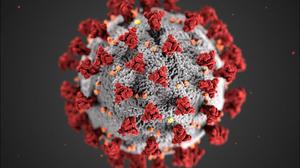
The Impact of COVID 19 on Laryngeal Function Voice Communication and Quality of Life
This project aims to create a national cohort of COVID-19 ICU survivors, quantify the longer-term burden of COVID-19 infection and treatment on laryngeal function, voice, communication and quality of life within the cohort and identify potential intervention targets to prevent post-intubation laryngeal injuries. Subjects will be recruited from Penn's Otorhinolaryngology …
EC17 for Intraoperative Imaging in Occult Ovarian Cancer
The overall prevalence of Ovarian Cancer in the United States according to the US SEER Registry is 182,710 women. Ovarian cancer also has the highest mortality rate of the gynecological cancers. The overall five-year survival rate is 45% and for Stages III and IV it is only 20-25%. The majority …

Robotic Nipple Sparing Mastectomy (NSM) Study
The goal of this prospective study is to evaluate the safety and effectiveness of the da Vinci Xi Surgical System, instruments, and accessories in Nipple Sparing Mastectomy, otherwise known as NSM procedures.

PCSK9i in ABC Test Maha
Please see section 3 of the full protocol Please see section 3 of the full protocol Please see section 3 of the full protocol
Please choose between Voice or SMS based delivery of verification code

or