Found 64 Metastatic Cancer trials
A listing of Metastatic Cancer medical research trials actively recruiting patient volunteers. Search for closest city to find more detailed information on a research study in your area.
Metabolomic Assessment of Frailty in Surgical Patients
PURPOSE: The overall objective of the project is to perform comparative metabolomics on frail and non-frail patients undergoing major surgery. We hypothesize that frail patients will have distinct baselines, suffer greater metabolic derangements, and recover more slowly than non-frail patients. Additionally, we hypothesize that those patients who undergo prehab will …

Clinical Transcriptomics in Systemic Vasculitis (CUTIS)
This study employs a multi-center approach to evaluate cutaneous vasculitis across several forms of idiopathic vasculitis. Patients with cutaneous manifestations of vasculitis will be evaluated by teams of primary vasculitis care providers and Dermatologists in order to facilitate optimal selection of patients and sampling of lesions. A punch skin biopsy …
![IMAGING OF IN VIVO SIGMA-2 RECEPTOR EXPRESSION WITH [18F]ISO-1 POSITRON EMISSION TOMOGRAPHY (PET/CT) IN METASTATIC BREAST CANCER](/media/img/trial_thumbnails/PET-CT_Scanner_2_1okELH6.jpg)
IMAGING OF IN VIVO SIGMA-2 RECEPTOR EXPRESSION WITH [18F]ISO-1 POSITRON EMISSION TOMOGRAPHY (PET/CT) IN METASTATIC BREAST CANCER
Patients with metastatic breast cancer, that is biopsy proven or clinically documented by standard imaging (e.g. CT, MRI, Bone Scan, Ultrasound, FDG PET/CT), may be eligible for this study. Patients may participate in this study, if they are at least 18 years of age. We anticipate enrolling up to 30 …
Comparison of left bundle branch area versus right ventricular septal pacing in patients with high-degree conduction disease after transcatheter aortic valve replacement: Left Bundle BRAVE study
The primary objective of this study is to investigate the superiority of chronic LBBAP compared to traditional right ventricular (RV) septal pacing in patients with high-degree conduction disease after transcatheter aortic valve replacement (TAVR). All patients enrolled in this study, have undergone TAVR within 2 weeks, developed high-grade conduction disease, …
Randomized Blinded Discontinuation Trial of Ocrelizumab in Early Relapsing Multiple Sclerosis
The primary study objective is to evaluate the rate of durable remission of relapsing disease activity, assessed serially both clinically and by MRI, from randomization through 48 months in participants with early relapsing multiple sclerosis who discontinue OCR after 12 and 24 months of treatment. Secondary objectives include: - Mechanistic: …
A Double-Blinded Randomized Crossover Trial of Stereoencephalography-Guided Multi-Lead Deep Brain Stimulation for Treatment-Refractory Obsessive Compulsive Disorder (SEEG-Guided DBS for OCD)
This dual-site, double-blinded, randomized, sham-controlled, crossover study is to assess the safety, feasibility, and preliminary efficacy of SEEG-guided multi-lead DBS in 10 participants suffering from severe symptoms of chronic, treatment-refractory OCD. Stage 1: Invasive SEEG Monitoring and Recovery Goal: To perform stimulation mapping studies and SEEG recordings, that aid in …

Intratumoral Gene Mediated Cytotoxic Immunotherapy (GMCI) For Resectable Non-Small Cell Lung Cancer
Surgery is the best treatment for patients with Stage I or II lung cancer; however, nearly 60% of patients have recurrence. Additional immunotherapeutic agents given before surgery may be greatly reduce recurrence. This is a Standard Phase I, 3+3 dose escalation trial designed to evaluate the safety and toxicity of …
Neurosensory Abnormalities in SymptomAtic Ocular Surface Patients
Primary Objectives: 1. To establish the prevalence of neuropathic corneal pain in patients with ocular surface discomfort. 2. To assess the overlap of neuropathic corneal pain with dry eye disease in patients in diseases that are currently thought to be mutually exclusive. 3. To establish the prevalence of subtypes of …
Retrospective and Prospective Evaluation of Hip Short Stem Performed by Anterior Approach (AMISP)
This study aims to evaluate the clinical, radiographic, and perioperative outcomes of short femoral stems implanted during primary total hip arthroplasty performed through a minimally invasive direct anterior approach (DAA). Short femoral stems have been developed to preserve proximal femoral bone stock, potentially provide a more physiological load transfer, and …
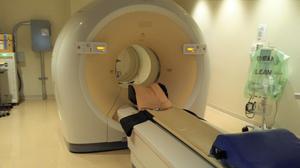
FES PET/CT in Endocrine Refractory Breast Cancer
Patients with recurrent or metastatic ER+ breast cancer, who have failed prior endocrine therapy may be eligible for this study. Patients may participate in this study, if they are at least 18 years of age, most participants will be receiving care at the clinical practices of the University of Pennsylvania. …
Please choose between Voice or SMS based delivery of verification code

or