Found 4 Memory Problems trials
A listing of Memory Problems medical research trials actively recruiting patient volunteers. Search for closest city to find more detailed information on a research study in your area.

This is a multi-center prospective rater-masked (blinded) randomized controlled trial of 156 participants, comparing the treatment strategy of Autologous Hematopoietic Stem Cell Transplantation (AHSCT) to the treatment strategy of Best Available Therapy (BAT) for treatment-resistant relapsing multiple sclerosis (MS). Participants will be randomized at a 1 to 1 (1:1) ratio.All participants will be followed …

This study will look at the relationships between HIV infection, age and the immune system, and how these relate to the development of non-infectious illnesses such as heart disease, kidney disease, cancer, memory problems, and diabetes. Further, we will look at how demographic factors, behaviors, and social factors like social …

The study is at the Penn Memory Center at the University of Pennsylvania and is under the direction of David Wolk, M.D.. We are currently recruiting normal control participants ages 75 years and older. The purpose of this study is to collect, store and analyze cognitive data and biological samples, …
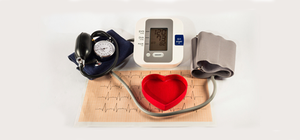
Blood pressure treatment is important for all survivors of intracerebral hemorrhage (ICH). High blood pressure after ICH puts patients at high risk for future strokes and memory problems. Nearly all doctors agree that patients who have had a brain hemorrhage should be treated with blood pressure medications. But doctors are …
